Primary range · Type tested
Low voltage switchgear solutions
Reliable power distribution equipment for industrial and commercial applications.
Product overview
What low voltage switchgear does
Low voltage switchgear takes the supply from a transformer and distributes it to the loads of a plant, a building or a site. It is where the supply is switched, measured and protected.
In practice, an assembly contains an incoming device, a busbar system, a number of outgoing feeders and the instrumentation that tells the operator what is happening. The enclosure keeps people out of live parts and keeps dust and water away from the equipment.
GGD and GCK are the two assemblies we build most. Both are covered by a third-party type test report for the design, which is the document a technical buyer normally asks for at tender stage.
- Main and sub-main distribution in industrial plants
- Building distribution and floor panels
- Motor control and feeder circuits
- Generator and changeover incoming

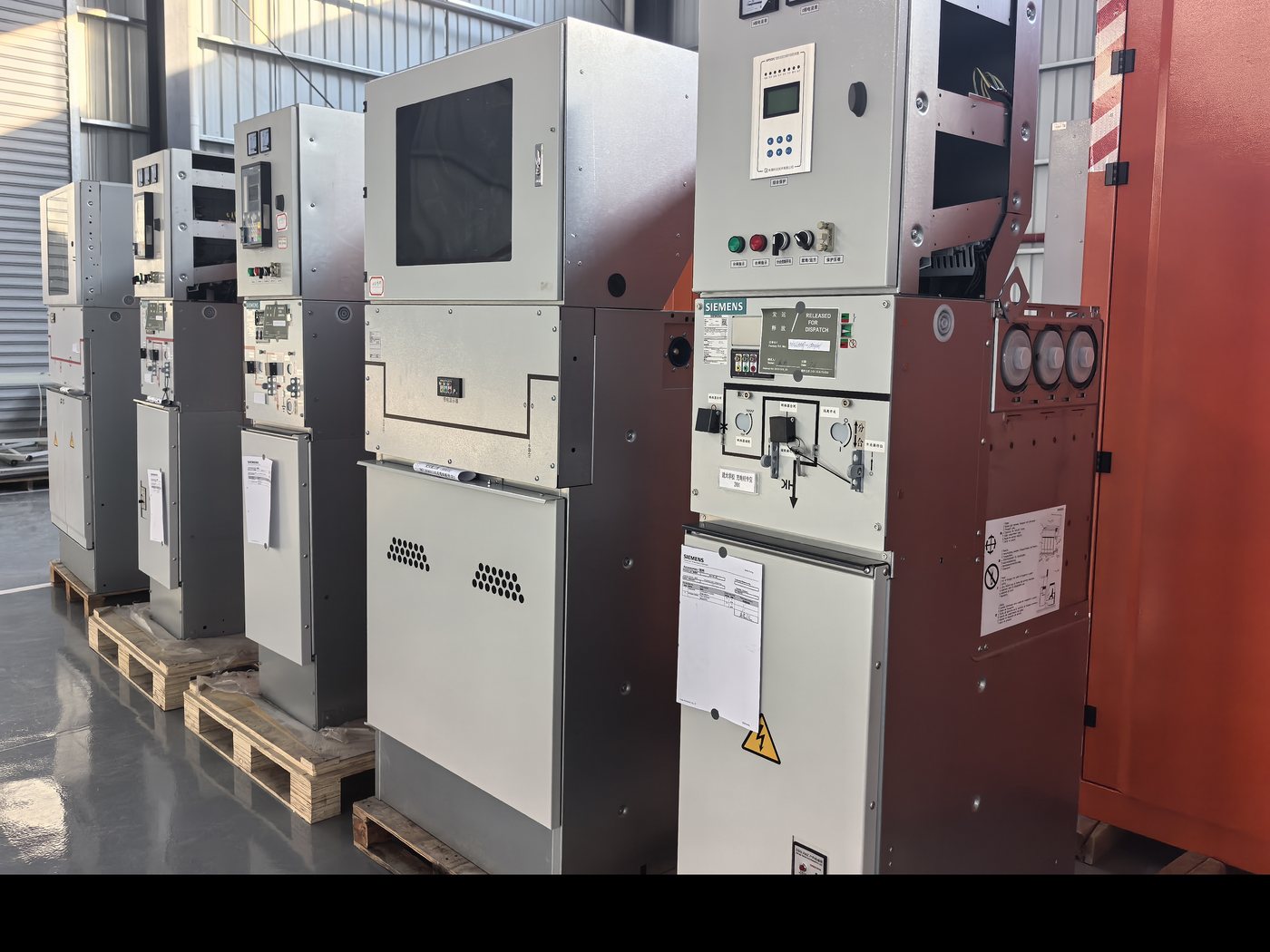
Assemblies on the workshop floor before dispatch. Breakers, metering and labelling follow the approved drawing.
Product types
Four assembly types, plus distribution boxes
Technical specifications
Ratings covered by the type test report
| Parameter | GGD | GCK |
|---|---|---|
| Rated operational voltage (Ue) | 230 / 380 / 400 V | 230 / 380 / 400 V |
| Rated insulation voltage (Ui) | 690 V | 690 V |
| Rated frequency | 50 Hz | 50 Hz |
| Main busbar rated current | 400–1600 A | 1600–4000 A |
| Distribution busbar rated current | — | 400–1250 A |
| Rated short-time withstand current (Icw) | 30 kA | 80 kA |
| Enclosure protection | IP30–IP65 | IP30–IP65 |
| Installation | Indoor | Indoor |
| Design standard | GB/T 7251.3-2017 | GB/T 7251.3-2017 |
| Type test | Third-party report, 2023 | Covered by the same report |
Rated currents above are busbar ratings. Feeder and incoming device ratings follow your load calculation and the protection scheme on the drawing. Other frequencies and voltages are reviewed per project before quotation.
Component options
Devices we assemble with
Siemens
Air circuit breakers, moulded case breakers, contactors, protection relays and metering.
Schneider Electric
Air circuit breakers, moulded case breakers, contactors, relays and power meters.
ABB
Breakers, contactors, protection devices and instrumentation.
CHINT · DELIXI
Breakers, contactors, relays and accessories, commonly used where the budget sets the device family.
Other brands can be reviewed on request. Mixed-brand assemblies are normal. The specification usually decides which brand goes where.
Customisation
What changes between one board and the next
Cabinet dimensions
Width, height and depth set by the number of ways, the device sizes and the space available in the electrical room.
Electrical configuration
Incoming arrangement, outgoing ways, spare capacity, changeover, generator incoming and capacitor connection.
Component selection
Devices from the approved brands, rated for the prospective fault current at the board.
Busbar configuration
Main and distribution busbar arrangement and current rating, with the short-circuit rating matched to the fault level.
Enclosure and finish
IP rating, paint colour, gland plates, canopy and plinth, set by whether the board stands in a plant room or outdoors.
Project documentation
Approved drawings, schematics, terminal lists and test sheets in the format your project requires.
Applications
Where these assemblies are installed
Industrial manufacturing
Plant distribution, motor control and production line supply.
Industry detailCommercial buildings
Main distribution, sub-distribution and metering.
Industry detailInfrastructure
Water, transport and public works distribution points.
Industry detailIndustrial facilities
Plant rooms, workshops, warehouses and treatment works.
Industry detailManufacturing & testing
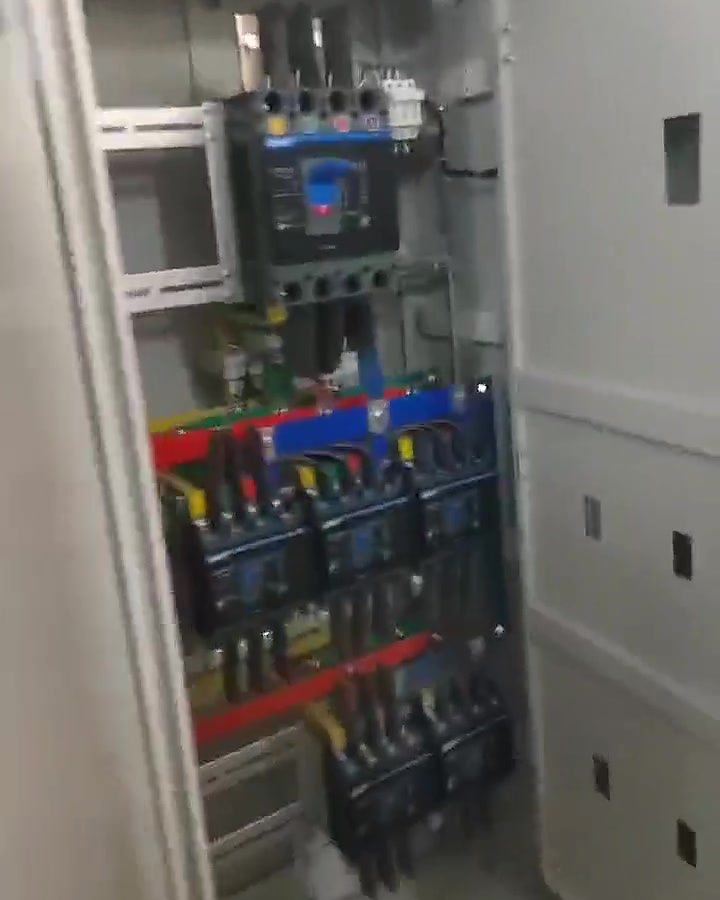
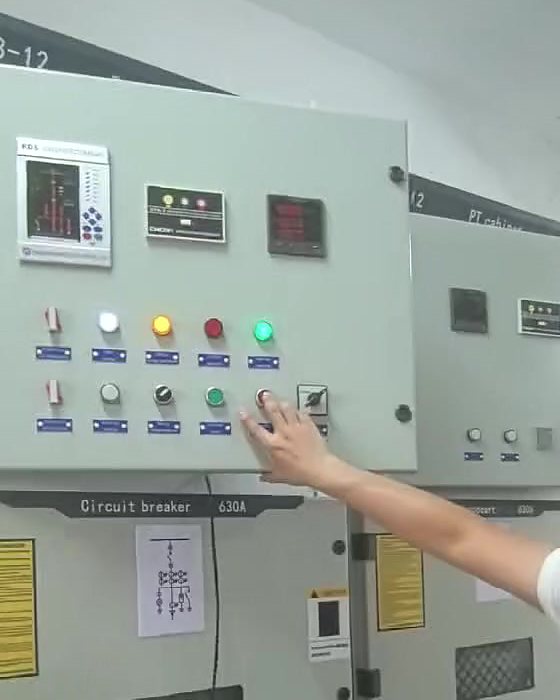
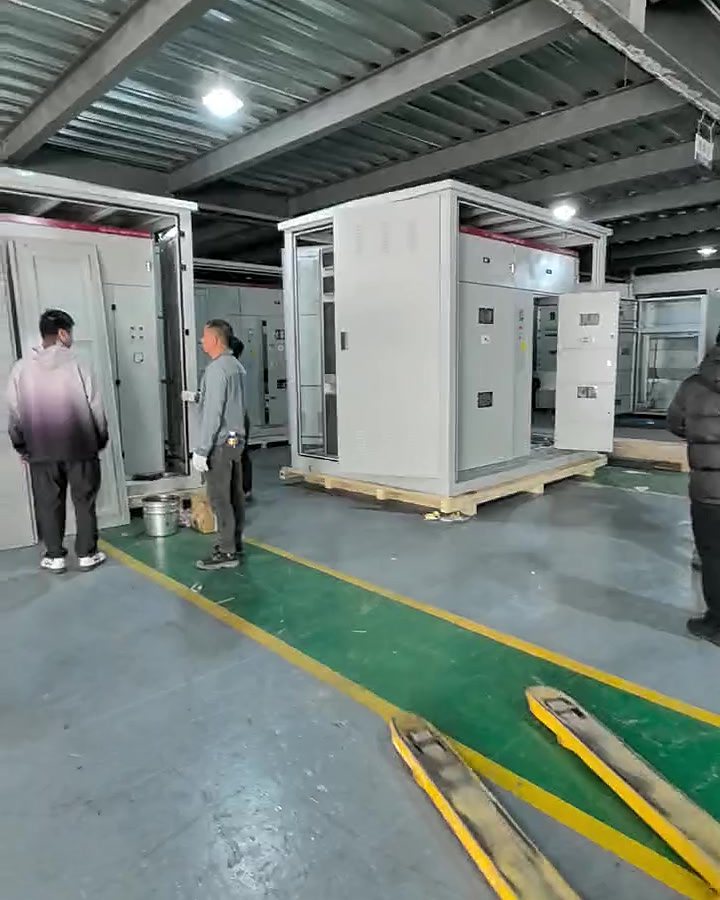
How the assembly is built and checked
Technical documents
What we can send
FAQ
Questions that come up first
What is low voltage switchgear?
Low voltage switchgear is an assembly that distributes and protects an electrical supply at voltages up to 1000 V AC. It contains an incoming device, a busbar system, outgoing feeders and instrumentation, all inside an enclosure. In a plant it usually sits downstream of the transformer and upstream of everything else.
What is the difference between GGD, GCS and MNS switchgear?
GGD is a panel-type assembly with a single front face: simple structure, generous space, straightforward to extend. GCS is a modular assembly with a higher circuit density, often specified where space is limited. MNS is a modular system used widely in industrial and infrastructure projects, with its own module dimensions and accessory range.
The practical difference at tender stage is documentation: GGD and GCK are covered by the type test report we hold. GCS and MNS we build to drawing, and we confirm the documentation position for the specific configuration before quoting.
Can low voltage switchgear be customised?
Yes. Dimensions, incoming and outgoing configuration, busbar rating, component brands, enclosure protection and finish are all set by the project. What stays fixed is the tested design behind the assembly: the frame and busbar system the rating refers to.
What information is required for a quotation?
The single-line diagram, the load list, the prospective fault current, the supply voltage and frequency, the required IP rating, the cable entry direction, the component brands your specification approves, and the delivery port. With those, a quotation is normally straightforward. Missing items are listed as open points, with a note on what each one affects.
What component brands are available?
Siemens, Schneider Electric, ABB, CHINT and DELIXI are the brands we work with most often. Where a project approves another brand, we review it at enquiry stage and confirm availability before the quotation.
What is the typical production lead time?
Lead time depends on the configuration and the workshop schedule at the time of order, so it is confirmed in writing with the quotation for your configuration. If the drawing changes after approval, the schedule is reviewed with you before production continues.
Looking for low voltage switchgear for your project?
Send the single-line diagram and the load list. We will confirm the assembly, the components and the documentation, then quote.